
Picture this: It’s a rainy Tuesday afternoon, and you’re sitting in the back of a high school history classroom. On the projector screen is a 45-slide PowerPoint deck dense with block text, bullet points, and dates from 1789. Half the room is staring blankly at the screen, three students are subtly nodding off, and the teacher is battling fatigue while trying to explain the French Revolution for the third time today.
Now, swap that scenario with a different one.
The teacher dims the lights and plays a sleek, 90-second animated video clip. An AI-generated avatar dressed in 18th-century attire introduces the social tensions of pre-revolutionary Paris, complete with engaging graphics, sound effects, and clear dynamic subtitles. Within seconds, student heads pop up. Curiosity is piqued. The conversation that follows isn’t a forced monologue—it’s an active, energetic discussion.
This isn’t a scene from a high-budget educational film studio. It’s a snapshot of what’s happening in modern classrooms right now, thanks to the explosion of modern AI video tools.
Whether you’re an educator, an instructional designer, a tutor, or simply someone passionate about learning, the way we share knowledge is undergoing its biggest transformation since the introduction of the internet. Here is a look at how AI video tools are reshaping education, why visual learning matters more than ever, and how anyone can start creating engaging educational content without a background in film production.
The Visual Era: Why Traditional Methods Need a Boost
It’s no secret that the way people absorb information has changed dramatically. Today’s learners are digital natives. They grew up on YouTube, TikTok, short-form reels, and rich interactive media. Expecting them to stay engaged through static text-heavy lectures alone is a bit like handing someone a map printed in 1950 and asking them to navigate a modern city.
Research continuously shows that visual media improves retention, boosts comprehension, and helps students grasp complex abstract concepts faster. Video combines visual stimuli, audio cues, and temporal pacing, which light up multiple areas of the brain simultaneously.
However, for years, the biggest obstacle for educators was simple: time and tech barriers.
Creating a high-quality instructional video used to mean buying expensive cameras, learning intimidating video editing software, setting up lighting rigs, and spending hours editing just a few minutes of footage. Most educators simply didn’t have the time or resources to pull that off on top of grading, lesson planning, and teaching.
That’s precisely where artificial intelligence has stepped in to rewrite the rules.
Enter AI: Bridging the Gap Between Concept and Creation
Artificial intelligence hasn’t just tweaked video creation—it has completely reimagined it. With modern AI video generation tools, you no longer need to be a video editor, a scriptwriter, or a voice actor to produce compelling video content.
AI-powered video creation tools handle the heavy lifting behind the scenes. They can convert written text into formatted scripts, generate natural-sounding voiceovers in dozens of languages, automatically sync visuals to sound, and add professional-looking transitions with a click.
This is where finding a reliable, easy video maker makes all the difference for educators and content creators.
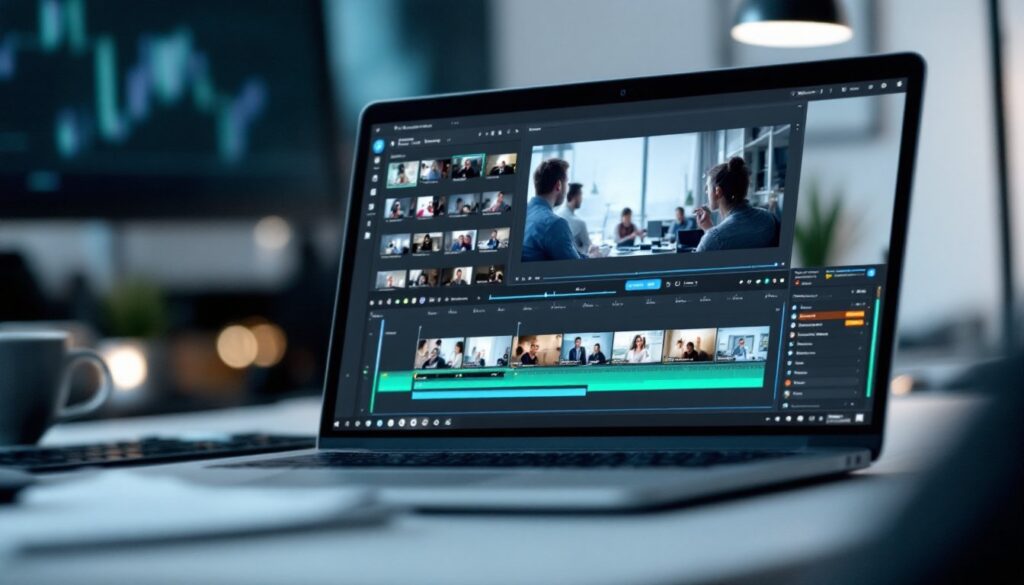
By utilizing an intuitive, easy video maker built with AI features, teachers can take a simple set of lesson notes or a text outline and turn it into a vibrant visual lesson in under ten minutes. You don’t need to know what timeline layers or keyframes are. You just bring your ideas, and the tool helps you translate them into visual storytelling.
When the barrier to video creation drops from hours to minutes, something remarkable happens: educators are freed up to focus on what they do best—inspiring and connecting with their students.
4 Practical Ways AI Video Creation is Elevating the Classroom
If you’re wondering how this actually looks in day-to-day educational settings, here are four concrete ways teachers and instructional creators are putting AI video tools to work right now:
1. Bite-Sized Micro-Lessons (The Flipped Classroom)
The “flipped classroom” model—where students watch instructional material at home and spend class time working on collaborative activities—has proven incredibly effective. However, asking students to watch a long, dry 30-minute lecture video at home rarely yields great results.
Using an easy video maker, educators can craft snappy 2-to-3-minute micro-lessons that explain a single key concept (like Photosynthesis, The Pythagorean Theorem, or Supply and Demand). Short, focused videos match student attention spans and make reviewing difficult concepts painless before exam season.
2. Bringing History, Science, and Literature to Life
Abstract concepts can be tough to grasp when they exist only on paper. AI tools allow educators to generate visual simulations and contextual backdrops effortlessly.
Imagine teaching a literature module on Shakespeare and using AI tools to quickly generate a visual video tour of Elizabethan London, complete with a virtual presenter explaining the cultural context of the era. By turning abstract historical or scientific facts into visual narratives, learning becomes an immersive experience rather than a memorization test.
3. Accessible and Inclusive Learning
Every student learns differently, and classrooms are more diverse than ever. AI video generators come packed with automated features like closed captioning, multi-language translation, and synthetic voice options.
For non-native English speakers or students with hearing impairments, automated captions and translated video options ensure that no student gets left behind. Moreover, auditory and visual learners get the exact scaffolding they need to absorb material at their own pace.
4. Student-Led Project Creation
Who says video creation is only for teachers?
One of the most exciting aspects of incorporating an easy video maker into education is giving students the power to create. Instead of assigning another traditional essay or written book report, teachers are encouraging students to submit video projects.
When a student uses AI-assisted tools to script, visualize, and present a concept, they aren’t just memorizing facts for a test—they are demonstrating deep comprehension, developing digital literacy skills, and having fun in the process.
Getting Started Without the Overwhelm: A Simple Roadmap
If you’re intrigued by the possibilities of AI video creation but feel a bit intimidated about taking the first step, take a deep breath. You don’t need to overhaul your entire curriculum overnight. Here’s a simple strategy to get your feet wet:
- Pick One “Pain Point” Lesson: Think about that one topic every year that students consistently struggle with or find boring. Target that single lesson for your first video experiment.
- Start with a Template: Don’t start with a blank canvas. Modern video creation platforms offer built-in templates designed specifically for educational presentations, tutorials, and explainer clips.
- Keep It Short and Sweet: Aim for 60 to 180 seconds. A concise, clear video always beats a long, rambling one.
- Iterate and Involve Students: Show your video to your class and ask for honest feedback. Better yet, invite them to help you design the next one or create their own.
The Human Factor: Technology as an Enhancer, Not a Replacement
Whenever conversation turns to artificial intelligence in education, an understandable question arises: Will AI replace the role of human teachers?
The short answer is a resounding no.
Education at its core is fundamentally human. It relies on empathy, mentorship, encouragement, and real-life connections that no software algorithm can ever replicate. AI video generators, smart editing software, and interactive platforms aren’t here to substitute teachers—they are here to empower them.
Think of an easy video maker as an assistant in your creative toolkit. It handles the tedious, technical mechanics of visual design so you can spend less time struggling with complex software and more time doing what truly matters: mentoring, engaging, and guiding the minds of tomorrow.
Final Thoughts
The intersection of artificial intelligence and education isn’t a distant future scenario—it’s happening right now. By embracing accessible video creation tools, educators can bridge the gap between traditional instruction and modern digital learning, making education more engaging, inclusive, and effective for everyone.
Whether you’re looking to refresh your teaching style, build an online course, or simply help your students see a subject in a whole new light, the world of AI video creation is ready and waiting. Grab an easy video tool, start experimenting with a simple lesson, and watch your classroom come to life!