

Green living tips sound great on paper. But in real life, between school drop-offs, work deadlines, and a fridge full of leftovers, they often fall flat. The problem is typically the lack of practical advice.
Eco4TheWorld solves this issue by covering practical, no-pressure ways to live sustainably without turning your household upside down. We suggest small shifts in everyday life, like swapping how you shop, cutting energy use at home, and rethinking what you throw away.
This article walks you through green living tips built around family routines. You’ll also learn which everyday swaps cut plastic waste, where your carbon footprint actually comes from, and how to conserve water without anyone noticing.
Start with the first section, and pick one idea to try this week.
Green Living Tips That Fit Into Family Routines
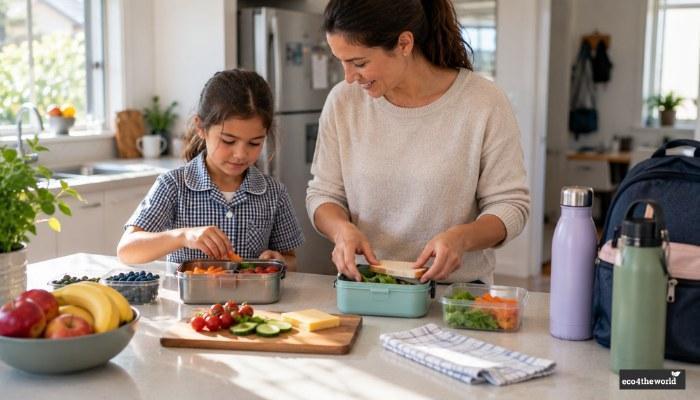
Most families already have the habits. They just need a few small swaps to make them green.
And family routines are the easiest place to start. You’re already shopping, cooking, and running appliances every day. So slotting sustainable practices into what you already do takes far less effort than building new ones from scratch.
Two areas make the most difference in habits for households:
Small Swaps That Cut Plastic Packaging Fast
According to research, over 170 trillion plastic particles are afloat in the world’s oceans. And a huge chunk of it starts in the shopping trolley.
So, a few simple swaps cover most of the plastic packaging in a typical household:
- Plastic bags → jute or cloth bags
- Cling film → beeswax wraps
- Zip-lock bags → reusable containers
- Single-use water bottles → refillable drink bottles
- Plastic produce bags → cloth mesh bags
Buying pantry staples in bulk cuts plastic waste further, since fewer individual packets means less plastic overall. Plus, you can look for stores with refill stations for oats, rice, and washing powder.
Lastly, where packaging is unavoidable, cardboard and glass sit far easier on natural environments than plastic. However, cutting plastic is only half the equation.
Easy Habits That Reduce Energy Use at Home
Energy use at home is one of those things that silently drains your wallet and increases your environmental impact at the same time.
These four changes cover the most ground with the least effort:
|
Habit |
What It Does |
|
Switch to LED bulbs |
Lasts up to 25 times longer than incandescent ones, cutting electricity consumption significantly |
|
Wash clothes in cold water |
Uses up to 90% less energy than a warm cycle without affecting the result |
|
Switch off power strips at night |
Eliminates standby energy waste across multiple devices simultaneously |
|
Use a programmable thermostat |
Improves heating and cooling efficiency by running automatically around school and work schedules |
Every one of these habits costs little to nothing to start, and each one reduces your household’s energy use in a way that shows up on the bill within a month.
The Everyday Life Choices With the Most Environmental Impact
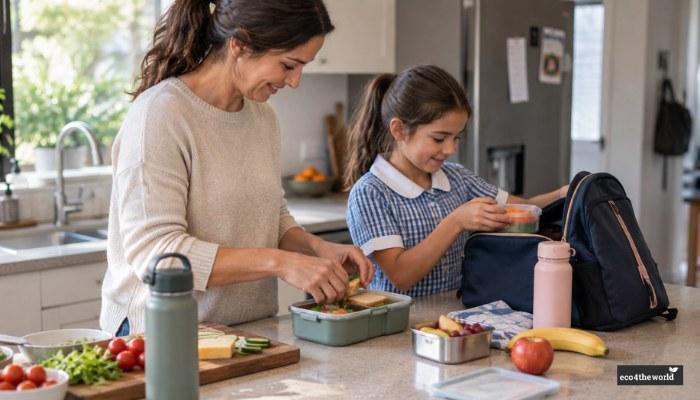
Naturally, the choices with the greatest environmental impact may differ from what you expect.
So, let’s start with the food. Livestock production alone accounts for around 14.5% of global greenhouse gas emissions, according to the FAO. So reducing red meat meals a few times a week cuts your carbon footprint way more than skipping a short drive.
Plus, one quarter-pound burger requires 460 gallons of water to produce. As an alternative, plant-based meals a few nights a week make a measurable difference without requiring a complete dietary overhaul.
Transport is another area where small changes can reduce emissions. Combining errands into one trip can cut fuel use, while public transport or walking can reduce emissions further.
Clothing rounds this out further. Buying secondhand clothes reduces water consumption and textile waste considerably since the fashion industry is one of the heaviest users of both. This way, one secondhand purchase means one fewer item that manufacturers need to produce from scratch.
How Families Can Live Sustainably Without the Overwhelm
Families that live sustainably start with one small change at a time and build from there.
Nobody’s asking you to overhaul your entire life on a Sunday afternoon. Gradual changes build sustainable habits far more reliably than wholesale lifestyle shifts. We’ve seen that families who adopt one new eco-friendly habit per month mostly stick with it long-term.
Follow these ways to make sustainability work across the whole household:
- One Habit at a Time: Start with the room you use most. The kitchen covers food waste, plastic packaging, and energy use in one spot by making it the highest-return place to begin.
- Split the Load Among Family Members: Across a household, eco-friendly responsibilities work best when family members share them. For example, kids can manage the recycling, parents handle the shopping choices, and older children can monitor energy use. These consistent routines help children internalise sustainable values early.
- Reframe It Around Money: Surprisingly, most green choices are also the cheaper ones. Reusable products, bulk buying, and cutting energy consumption all reduce household bills alongside environmental impact.
Simply put, the habits that stick longest are the ones the whole family owns together rather than the ones one person is silently holding up alone.
Now, let’s look at how you can apply those same practices to your water and climate habits as well.
The Best Things You Can Do to Conserve Water and Fight Climate Change
Most households waste more water and produce more emissions than they realise, usually through habits so automatic they go unnoticed. The fixes sit in two categories, and both are worth tackling together.
Water-Saving Habits Worth Building Into Your Week
Water conservation doesn’t need a plumber or a renovation. Most of it depends on timing and awareness.
For instance, cutting your shower by two minutes saves up to 15 litres per person. That’s 60 litres gone from your daily water consumption across a household of four.
You can also run your dishwasher and washing machine on full loads only (traditional top-loaders especially use a fixed amount of water regardless of how much is inside). It’s one of the easiest water conservation wins in the house.
Additionally, turning off the tap while brushing teeth saves up to 8 litres per person each day. Initially, it sounds minor. But if you multiply it across every family member, every day of the year, you will conserve thousands of litres annually.
Eco-Friendly Actions Families Can Take to Fight Climate Change
Walking or cycling for short trips cuts carbon dioxide emissions and costs nothing. And for longer distances, public transportation produces a fraction of the emissions of a private car running on fossil fuels.
According to the Climate Council of Australia, switching to a green energy provider is one of the most effective climate change actions an Australian household can take. It directly reduces your reliance on fossil fuels without changing anything else about your routine.
Composting food scraps further diverts organic waste from landfill. Otherwise, they break down into methane, a greenhouse gas far more potent than carbon dioxide. Food scraps also enrich soil, which supports healthy plants and natural environments.
Composting is one of these habits that feels small but can divert a significant amount of household food waste from landfill each year.
Small Steps, Lasting Change
Green living tips work best when they fit around your life, not the other way around. The families making the most progress are the ones who pick one area, build the habit, and move to the next.
Start with what’s already in your routine.
- Swap one single-use item
- Adjust one appliance setting
- Cut one meat-heavy meal per week
Each small action reduces your environmental impact in a way that compounds silently over months and years.
For more practical ways to live sustainably and reduce your footprint at home, Eco4TheWorld has you covered. Visit our website to explore more tips and ideas.